When selecting the foundational garment for your custom apparel business, the fabric debate usually comes down to the two heavyweights: Cotton and Polyester. Both have distinct advantages, and the “best” choice depends entirely on what the shirt is being used for.
The Case for Cotton
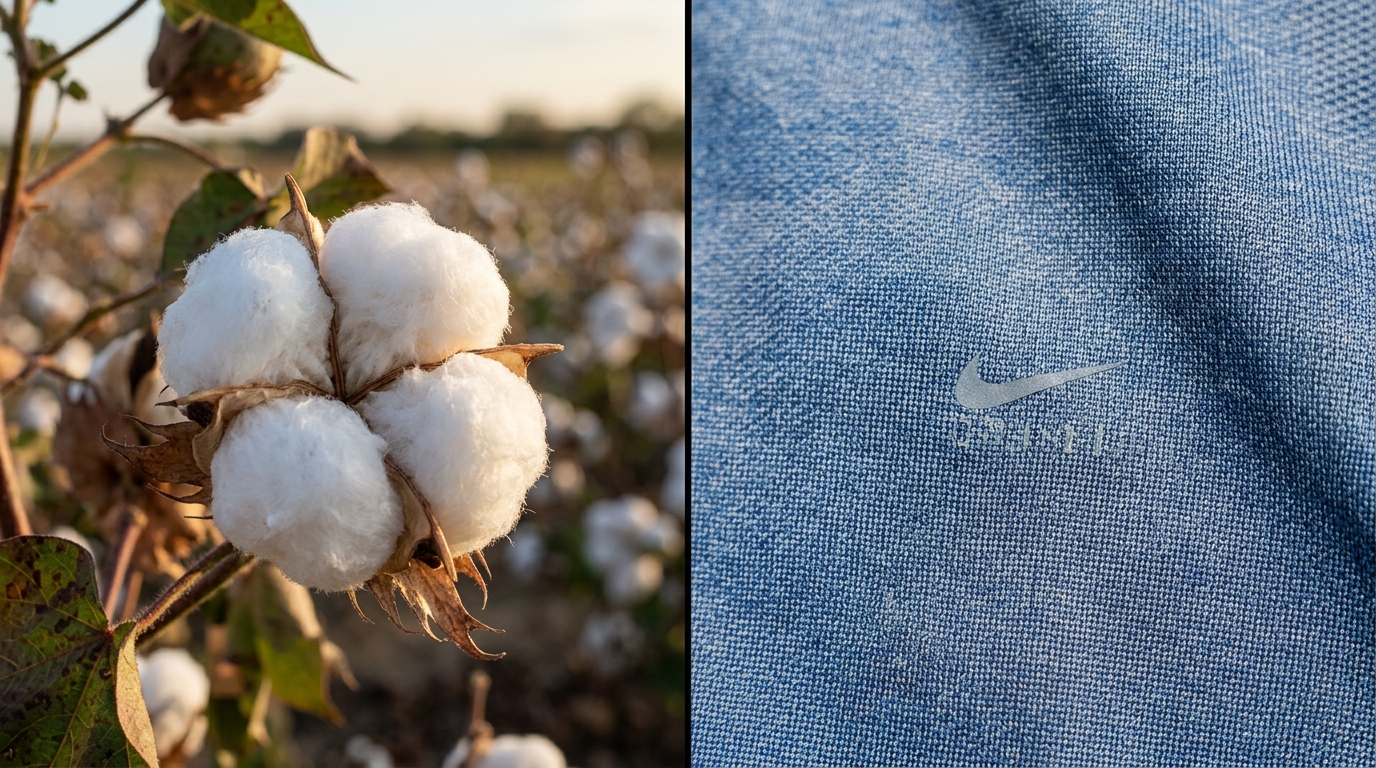
Cotton is a natural fiber and is the traditional standard for t-shirts.
- Softness & Comfort: High-quality ringspun cotton is incredibly soft and comfortable against the skin, making it perfect for everyday casual wear.
- Breathability: It allows air to circulate, keeping the wearer cool in warm weather.
- Printability: Cotton is the absolute best fabric for Direct-to-Garment (DTG) printing. The natural fibers absorb the water-based inks perfectly, resulting in vibrant, long-lasting prints.
- Drawbacks: Cotton can shrink in the wash (if not pre-shrunk), it wrinkles easily, and it absorbs moisture rather than wicking it away (making it poor for heavy exercise).
The Case for Polyester
Polyester is a synthetic fiber, effectively a type of plastic.
- Durability: Polyester is incredibly strong. It resists shrinking, stretching, and wrinkling.
- Moisture-Wicking: It draws sweat away from the body to the surface of the fabric where it can evaporate quickly, making it the undeniable king of activewear and sports uniforms.
- Printability: Excellent for Sublimation printing, where dyes turn into gas and bond with the synthetic fibers. However, standard DTG printing does not work well on 100% polyester without special pretreatments.
- Drawbacks: It can feel less breathable and sometimes “scratchier” than cotton. It also retains odors more than natural fibers.
The Best of Both Worlds: Blends
If you can’t decide, a Cotton/Poly blend (often 50/50 or 60/40) offers a fantastic compromise. You get the softness and breathability of cotton combined with the durability and wrinkle resistance of polyester. These blends are excellent for screen printing and offer a great all-around shirt for lifestyle brands.