When starting a custom t-shirt business or ordering for an event, choosing the right printing method is critical. It affects the cost, durability, and overall look of the design. The two most popular methods are Screen Printing and Direct-to-Garment (DTG) printing. But which one is right for you?
What is Screen Printing?
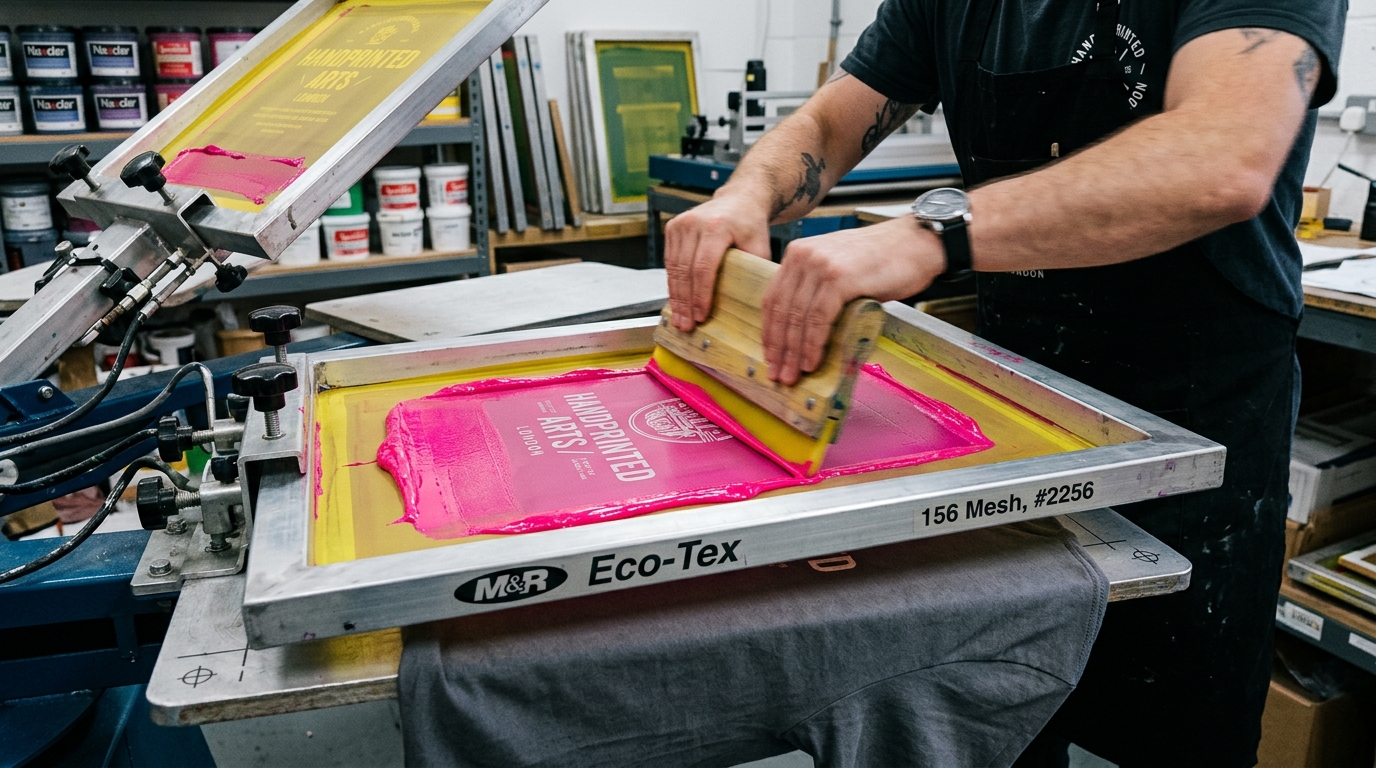
Screen printing involves creating a stencil (or screen) and using it to apply layers of ink directly onto the printing surface. Each color requires a different screen.
- Pros: Excellent durability, vibrant colors, very cost-effective for large batches (bulk orders).
- Cons: Expensive for small runs, limited number of colors per design, complex setup.
What is DTG (Direct-to-Garment) Printing?
DTG printing operates much like a standard inkjet printer, but it prints specialized ink directly onto the garment fibers.
- Pros: Ideal for detailed, multi-colored designs (like photographs), no minimum order requirements, easy setup.
- Cons: Less cost-effective for large bulk orders, prints may not be as thick or vibrant on dark garments without a white underbase.
The Verdict: Which Should You Choose?
If you need 50 identical shirts for a company event with a 2-color logo, Screen Printing is your best bet. It will be cheaper per unit and last for years.
If you run an on-demand merch store offering complex, colorful artwork to individual buyers, DTG is the way to go, allowing you to print one-offs profitably.